Archive for the TV News Category

Special FX

Posted in American TV (General), American TV Shows, Reviews, TV Acting, TV channels, TV Culture, TV History, TV News, Unsung Heroes with tags , , , , , , , , , on April 15, 2014 by Tom Steward

Tonight is the much-anticipated series premiere of FX’s Fargo, an adaptation-cum-remake of The Coen Brothers’ 1996 Minnesota-based thriller. In any other context, audiences and critics would balk at the very thought of a reboot (or ‘re-imagining’ as producers of shit remakes are want to say) of one of the sibling directors’ most perfect movies. But this is FX we’re talking about; a network which has consistently made the finest television in the US since it began producing original drama in the early 2000s. The virulent hype and promotion that preceded the launch of Fargo is unusual for the network, however. Over the past decade, FX series have been continually overshadowed by the original drama programming of subscription cable alternatives HBO and Showtime as well as basic cable competitors AMC. Consequently, many FX programmes have gone under the radar of critics and, crucially, viewers. But is this all about to change?
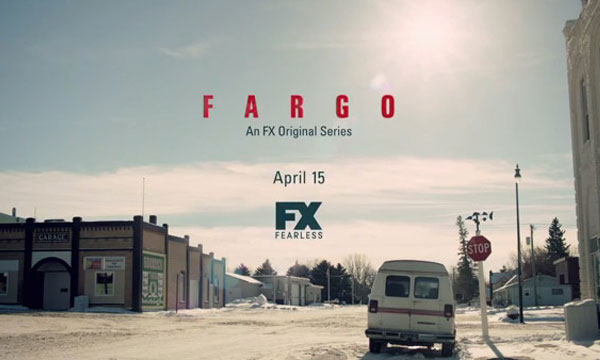
Not the 10th in the Fargo movie franchise!

Not the 10th in the Fargo movie franchise!

It was a fairly ignominious start for FX when it launched in 1994. Fox’s cable channel had limited availability nationally and mostly functioned as a dumping ground for re-runs of retro TV broken up with some informal and interactive live formats that were already dated by the mid-1990s. The late ‘90s re-brand brought newer re-runs and more movies but no significant advances in original programming. The network’s targeting of a young male demographic was as short-sighted as any of those millennial media moves to mainstream machismo (pardon the bitter alliteration, or biteration, oh just ignore me…). Fox’s decision in the early 2000s to make FX the destination of its edgiest and most innovative drama was the network’s salvation. Chief among them was The Shield, a series that punctured the heroic lore of cop shows with its pulsatingly visceral depiction of a venal, corrupt and amoral police force mired in blood.

The Shield was the cop show equivalent of The Sopranos – and just as televisually breakthrough – but comparisons with the HBO gangster series did the programme no favours. Both series ran concurrently and ended at the same time, with The Sopranos taking all the plaudits from its less self-consciously artful (but no less magnificent) counterpart. The Shield couldn’t get even catch a break in the cop show stakes. Almost as soon as the first season ended, HBO premiered The Wire, a police drama that depicted urban crime with such breath-taking detail and complexity it beat The Shield (and any other cop show in the business) for realism hands-down every time. The Shield was certainly more melodramatic and stylised than The Wire but it’s an unfair comparison that severely under-estimates how much the former did to cultivate the art of anti-hero television (and it had a better final season so…nah!).

The Sopranos of Cop Shows

The Sopranos of Cop Shows

FX continued throughout the noughties making original drama that took Fox’s ‘90s legacy of groundbreaking genre series into the 21st Century. Like NYPD Blue and The X-Files before it, shows like cosmetic surgery dramedy Nip/Tuck and anti-courtroom drama Damages pushed boundaries on representations of sex, violence and obscenity while overturning TV genre conventions. But it seemed there was always something around in cable television to steal the spotlight. Nip/Tuck was invariably seen as the bastard son of HBO’s mortician family drama Six Feet Under. Damages, created by Sopranos alumni the Kessler brothers, had the misfortune of going up against a show created by another former Soprano; Matthew Weiner’s Mad Men. In a sense, FX’s accomplishments are greater than those of HBO and AMC. The network works against content restrictions that subscription cable doesn’t have and the violent maturity which characterises AMC’s most celebrated programmes wouldn’t be possible without FX’s trailblazing.

I’ve only mentioned drama so far but FX’s record on comedy is also exemplary. From the poignant, beautiful nothingness of Louis C.K.’s signature sitcom Louie to W. Kumau Bell’s much-needed fuck-you to Fox’s right-wing politics Totally Biased, FX’s comedy has been as risky and powerful as its drama. FX has only been a major player in TV comedy for a few years but it’s significant as the network has been instrumental in straddling the gap between comedy and drama in recent American quality television. FX’s crowning glory, though, came in 2010 with Justified, an adaptation-cum-continuation of Elmore Leonard’s short story ‘Fire in the Hole’. A masterpiece from the first scene to its most recent season finale, this federal-western (or ‘festern’-ignore again!) bridged the chasm between the old episodic action series and a new type of arcy, complex and character-driven TV storytelling, What’s more it’s flawlessly cast, acted, directed and written.
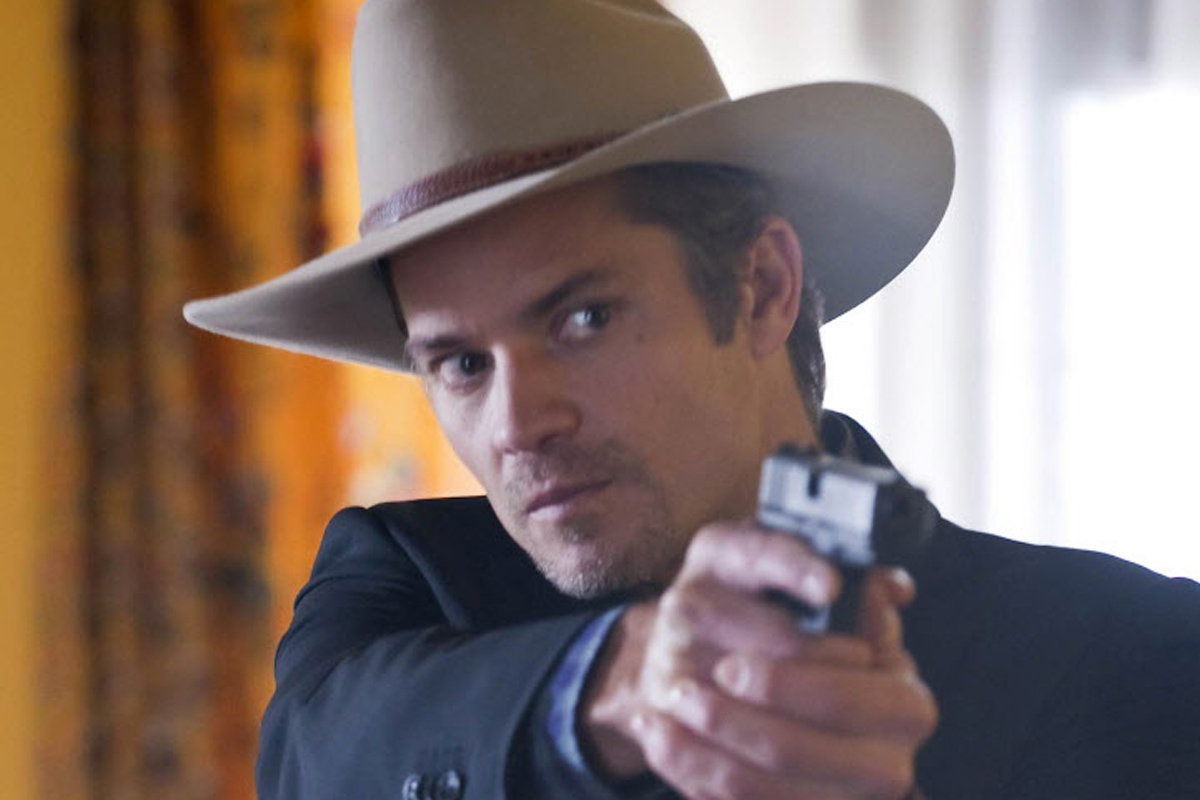
The hype is Justified!

The hype is Justified!

So now you get an idea of why people aren’t up in arms about FX re-making Fargo. The network’s drama and comedy output is in a class of its own and its finest hour (or several finest hours) was an adaptation of an American classic. However, this acclaimed and high-profile source material – not to mention the calibre of star involved in the series – is just what the network needs to bring in a wider viewership, and perhaps it will rub off on some of the network’s other undiscovered gems, like the currently airing 80s-retro spy drama The Americans. Louie is just about to return after a two-year hiatus during which the popularity of its star, writer, director (and editor) grew exponentially as a result of greater national exposure. This should be enough to keep comedy fans with FX as its new comedy migrates to recently-launched sister channel FXX.

Letter Box

Posted in American TV (General), American TV Shows, TV channels, TV History, TV News, Watching TV with tags , , , , , , , , , on April 8, 2014 by Tom Steward

After 21 years as host of CBS’ Late Show and another 11 on NBC’s Late Night, David Letterman announced his retirement from late-night television last week. Letterman made the announcement on last Thursday’s Late Show in a characteristically loose and ambling stream-of-consciousness monologue full of pathos, bathos, self-deprecating humour and sardonic wit. It was a welcome contrast from Jay Leno’s mawkish farewell and crocodile tears on the eve of his (second!) departure from The Tonight Show in February. Even in goodbyes, the gulf in class between the two late-night hosts is palpable. Because while Leno’s conservatism (both political and comedic) kept late-night talk shows rooted in the past, Letterman opened up the genre, overturning conventions from within and dispensing with formality in favour of funny.

http://www.youtube.com/watch?v=l5sVI_-LRCI

Don’t believe me? Ok, let’s consider how many people in television have ripped off Letterman since he started compared to Leno. And Bill O’Reilly doesn’t count, he just happens to be a disgusting Republican who’s bad at his job. When you see an entertainment show in which the crew, the audience and members of the public feature as prominently as the talent, Letterman did that. Plagiarism of Letterman was so rife, it even prompted an episode of talk show docu-satire The Larry Sanders Show in which host Larry tries to imitate Letterman’s ensemble of backstage performers against the stern warnings of traditionalist producer Artie’s about the ‘talent moat’. Conversely, Leno was all about heritage and keeping the talk show anonymous, bland and without formal innovation.

Letterman made the tone of late-night talk television casual, its humour offbeat and its attitude embracing of the alternative. His interactions with sidekick and band leader Paul Schaffer were parodies-cum-deconstructions of talk show traditions and his shows meandered in ways that seemed to defy their Draconian time restrictions. Leno’s Tonight Show looked like a corporate junket or infomercial in comparison. Sarcasm, irony and the surreal were Letterman’s calling cards not the flash-in-the-pan satire that Leno used to peddle to appear relevant. Letterman’s skits, like the infamous Top Ten List and Oprah Log, jabbed at the heart of American popular culture rather than superficially brushing it with cosy lampooning, and he incorporated cult and sideways figures (Bill Murray, Harvey Pekar) into the canon of celebrity guests.

Liberace returns from grave as Letterman's last guest!

Liberace returns from grave as Letterman’s last guest!

Leno’s safe, nostalgic version of late-night talk beat out Letterman in ratings for most of the 90s until the CBS host gradually eeked out a lead in the 2000s, consolidating his primacy during Conan O’Brien’s ill-fated tenure on The Tonight Show prior to Leno’s return. However America thought of him in the ‘90s, European TV saw Letterman’s style as the future of light entertainment. Kings of British primetime talk television entertainment throughout the 1990s and 2000s Jonathan Ross and Chris Evans imitated Letterman’s informal, self-referential and participatory approach to television to the letter. MTV Europe’s Most Wanted, an influential music talk show from the early 1990s presented by Ray Cokes, was undoubtedly guided by Letterman’s improvisatory technique and onscreen use of the crew and viewers.

It’s unsurprising that the template for a new generation of late-night TV hosts should come from Letterman not Leno. Leno’s successor Jimmy Fallon is defined by a Letterman-like breakdown of late-night talk show form rather than the previous era’s intransigence. Current CBS Late Late Show host – and legal heir to the Late Show host seat – Craig Ferguson takes Letterman’s leisurely variety of hosting to a new level with his near-formless set-wandering. From Letterman, comedy elite late-night hosts Conan O’Brien and Stephen Colbert take their spiky personas and dry interviewing style. Although, Letterman isn’t done yet. In the closest thing to a real-life episode of Columbo, Letterman’s 2012 interview with David Cameron exposed the British Prime Minister as the vapid, disinterested moron he is.

http://www.youtube.com/watch?v=C9XsYxoZvqI

By contract and tradition, Letterman was supposed to inherit The Tonight Show following Johnny Carson’s exit from the host seat in 1992. Letterman was beaten out by Jay Leno who ruthlessly made himself NBC’s preferred choice in the course of brutal negotiations. Leno would deny another Late Night host the right of ascension after forcing out Conan O’Brien from a brief Tonight Show tenure in 2010. Currently, Letterman’s CBS late-night follow-up Craig Ferguson stands in the position Letterman did 23 years ago, with a contract specifying that he should take over his network forerunner but facing the possibility of being bought out and replaced by a ringer. For the sake of innovation, creativity and comedy, I hope that TV talk show history doesn’t repeat itself.

And Finale…

Posted in American TV (General), American TV Shows, Reality TV, TV channels, TV Culture, TV History, TV News, Watching TV with tags , , , , , , , , , on February 13, 2014 by Tom Steward

American TV seems to be in a permanent state of finale. The average season has more false endings than a Hobbit trilogy. Before the Christmas break, there’s the mid-season finale, which desperately tries to manufacture a television event out of a show taking a brief holiday. Some shows have started to invent finales and talk about them as if we somehow know what they’re supposed to signify. Fox’s The Mindy Project has just had its Winter Finale, which is apparently what you now call putting the show on hiatus for a couple of months at the end of January. Season finales only seem like a big deal because all a show’s stories build towards it as a point of climax. In reality, it’s only a matter of months before the show is back on again. Even series finales don’t preclude a show returning through revivals, spin-offs, movie sequels and reunions. The cast of Seinfeld have managed to reunite twice since the sitcom went off the air, firstly in a fictional reunion episode within the world of Curb your Enthusiasm and then in a sketch for this year’s Superbowl coverage. That’s a lot of endings for shows that never quite finish.

Seinfeld cast reunite at superbowl, which is also the name of Jason Alexander’s haircut.

I’ve been thinking about finales because American TV has just had a big one. After 23 years in the host seat, last week Jay Leno finally said goodbye to The Tonight Show. Like most finales, however, nothing is really ending. Jimmy Fallon will take over as host, which has been a forgone conclusion for years now given the high-profile and staggering popularity of his late-night NBC talk show. Few people would be prepared to believe that Leno is even giving up the show. Leno first left the job in 2010 ceding hosting duties to Conan O’Brien. Within a few months, he had clawed back the job from his successor, as acknowledged in O’Brien’s Olympic-themed jab at his predecessor on the eve of Leno’s departure. Yet everyone acted as if something was in fact ending. Leno cried, celebrities queued up to say goodbye, and Garth Brooks played – which really is the nuclear option. The Tonight Show is going back to its home in New York and is now hosted by someone capable (though bafflingly so!) of gaining consistently huge ratings for a show whose popularity has balked in the last decade. Sounds more like a salvage operation than a send-off.

You can never come back from Garth Brooks.

Another American TV finale was in the news recently. The latest season of weight-loss game show The Biggest Loser held its final weigh-in last week, with the winning contestant having undergone a loss of weight so severe that she appeared to have another kind of eating disorder. The usual Muppet-mouthed looks of aghast pride from the trainers were replaced by horror, concern and confusion when they laid their eyes on her emaciated body. The show has always been self-righteous about the good it does for public physical and mental health. Yet by incentivising maximum possible weight loss without any healthy weight caps and filling its contestants’ heads with cod psychobabble in motivational-speak, The Biggest Loser falls prey to the pitfalls of many reality shows in neglecting its responsibilities of care to the members of the public it features. The season finale is usually a cause for self-congratulation as the show parades its reduced-sized versions of that year’s contestants and pats itself on the back for helping them, all the while of course revelling in sensational images of obese people eating cake naked. But this year’s finale revealed the dangerous and unhealthy extremes that the show’s premise could be taken to.

Trainers on The Biggest Loser react to body-shock win!

It’s good to have an end in sight. TV is such a massive and sprawling thing that it’s helpful to set limits and boundaries now and again. But rarely do they actually represent something that could be actually be called an ending. Finales help TV continue, renew and keep track of itself but all their talk of being done for good needs to be taken with a grain of salt. Like The Tonight Show goodbye might just mean adieu and as we’ve seen with The Biggest Loser finales might take you further than ever wanted to go in too short a time. And with that, Watching TV with Americans enters its Valentine’s Finale followed by its mid-mid-year finale. It’s time for me to say an emotional, longwinded goodbye as I leave you…for a couple of weeks. Remember to eat in the meantime and only play Garth Brooks while I’m away.

Serial Killers

Posted in American TV (General), American TV Shows, Behind-The-Scenes, Internet TV, Reviews, TV advertising, TV channels, TV Culture, TV History, TV News, Watching TV with tags , , , , , , , , , , , , , , , , , , , on October 29, 2013 by Tom Steward

It’s tempting to think that we live in an age of serial television, since virtually every programme we see features some kind of story development designed to keep viewers coming back week after week. Nowhere is this more evident than US TV drama. Critics have been telling us for years now that what distinguishes dramatic American TV from its British equivalents and cinematic competitors is the ability to tell stories over time. Yet very few US TV drama series have sustainable premises and even fewer have enough story arcs to outlast a shelf life of one season on the air.

This struck me while watching the early episodes of Season Three of Showtime’s Homeland, patiently waiting for the show to justify its continued existence. The series had the requisite twists and turns for a season of thrills and jolts and spent its second treading water by flipping the premise like a trick coin so that viewers basically watched the first season again in reverse. The third season has already drowned in its own uncertainty over the future trajectory of the show. I’m not at all averse to long-running programmes changing what they are, as long as they change into something!

Damian Lewis tries to hide from disgruntled Homeland viewers…

Homeland is a glorified mini-series but so are many of the contemporary dramas we treasure as serial television. Damages and 24 never deserved to get beyond a single season. The plausibility and novelty of both series is dependent on the events in the fictional world of the show never being repeated. Even TV dramas celebrated for their narrative complexity such as The Sopranos and The Wire barely made it past their first seasons. Both shows came to a story impasse at the end of their pilot runs and had to work hard at finding new characters and concerns to explore.

Let’s get some historical perspective here. The trend towards serial storytelling in US TV drama over the last thirty years didn’t arise from a need to tell stories more complexly and truthfully. As soap operas went primetime in the late ‘70s with Dallas and Dynasty, network executives and advertisers alike recognised that cliffhangers and continuing stories could be a valuable commodity in finding and keeping viewers. I’m not saying this didn’t lead to more complex television storytelling (and often the viewers who liked this most were those targeted by sponsors) but serial television had to be sellable to stay prevalent.

Serial storytelling in US primetime!

Serial storytelling is a neat way to illustrate television’s differences from books and movies (at least those that aren’t series). But the truth is for much of its history, dramatic storytelling in US TV was delivered in self-contained episodic form along a more generous, less competitive principle of not alienating viewers who might miss a week occasionally. The legacy of episodic storytelling is still discernible in American TV today. The successful CSI and Law & Order franchises paid only lip service to serial form and the best show currently on the air, FX’s Justified, is based principally around episode-specific stories.

Most contemporary US TV dramas are better described as walking a tightrope between episodic and serial storytelling. In order to attract casual viewers and get syndicated, TV series must have a loose enough storyline to be broken up and watched out of sequence without too much loss. But as the options for TV viewing multiply exponentially and the landscape of dramatic entertainment become ever more fragmented, stories that run across episodes and seasons remain a tried and trusted technique for encouraging repeated viewing and customer loyalty. A step too far each way takes you into daytime or days gone by.

Justified, the last outpost of episodic TV!

AMC currently holds a reputation for producing television that showcases the best of American serial drama, something alluded to in their last two slogans ‘story matters here’ and ‘something more’. But let’s look at the facts. The recently-completed Breaking Bad is a fallacy of serial storytelling, compacting six years of television into two years of onscreen time. Mad Men produces an occasional episodic masterpiece but watching the series continuously quickly gets tiresome, making it preferable to cherry-pick instalments from digitised series archives. The Walking Dead escaped Stephen King mini-series status by the skin of its teeth (pun very much intended!).

A television drama that is genuinely serialised runs counter to so many of the qualities of US TV we hold dear, like individually crafted episodes and storyline resolution. There’s also a lot of lame ducks out there with nowhere to go and no story to advance dodging cancellation each year. 

Back to Reality

Posted in American TV (General), American TV Shows, Reality TV, Reviews, TV channels, TV News with tags , , , , , , , , , , , , , , , , , , , on August 20, 2013 by Tom Steward

Despite the name, reality TV is unflinching in its adherence to the conventions of their rigid formats. It’s tantalising when a reality TV show throws out those conventions but then doubly deflating when they still manage to collapse under the crushing weight of formula after deviating from format. Breaking with convention has also become a branding strategy for many reality shows (especially the long-running ones) so it becomes difficult to separate an experimentation with format from marketing bullshit. I’ve encountered a couple of instances of this recently. Celebrity Wife Swap is the US version of a European reality format in which the long-term partners of male celebrities exchange lives for a week. The latest season began with an episode that changed the rules of the game significantly and almost to the point of abstraction. Instead of men swapping partners it was the women that exchanged their significant other, who were also women. The partners were not romantic peers but live-in blood relatives, and different relations on each side. Comedienne and broadcaster Joan Rivers took in Bristol Palin, reality-star celebrity daughter of Alaskan governor Sarah Palin, while Rivers’ daughter, TV producer Melissa Rivers, went to live with Willow Palin, Bristol’s sister.

You’re my wife/daughter/sister now!

This loose interpretation of the format may have been motivated simply by the draw of the personalities involved and the prospect of an entertaining confrontation between Joan Rivers and Bristol Palin after Rivers’ frequent jokes about the Dancing with the Stars contestant’s weight in the press. But the sister and daughter swap had the potential to undercut the patriarchy of the format and suggest alternative living arrangements or definitions of family (alas none of them gay or friendship-based). It also promised that something different would happen, since the roles of daughter and sister are so incongruous and the impact of exchanging family members unknown territory. Somehow the formula of reality TV resisted these challenges from the reality of family life to reproduce the same outcomes. The couples struggled to understand each other, they seem like they will never overcome their differences, then they do, quickly, saving recriminations for their own spouse and ending with the promise of the couple having a better relationship in the future because of the experience. The peculiar dynamics of the relationships seem to make no difference-be it sibling parents or inter-generational mothers-and are entirely secondary to ticking these boxes every week, more Bruckheimer than Broomfield.

Families are all the same…or they will be by the time we’re done.

This year’s season of The Bachelorette was billed by host Chris Harrison as having the ‘most dramatic finale ever’. Even the studio audience balked at that. By the host’s own admission, all season finales are preceded by puffed-up rhetoric promising shocking and surprising twists and turns in the normal course of the show, with a gap between promise and outcome big enough to make it a standing joke with viewers. Last year the final episode of The Bachelorette was cut in half by the contestant choosing her partner early. This was a departure from format that seemed to suggest that contestants were able to mould the conventions of the programme to their desires rather than being cogs in a media machine. But the disruption also annoyed viewers by eliminating the suspense built into the final stages of the competition. It seems that if reality TV was more like reality, with all its loose ends and uneven surfaces, fans of the genre wouldn’t necessarily want to watch it. This year’s season finale had nothing to live up to and everything to prove. It had to stick to the format to the bitter end while looking like it was a breakthrough moment.

‘Keep crying…we’ve got an hour to fill’

Like last year’s finale, the competitive element was jettisoned when eponymous bachelorette Desiree was dumped by her first choice and forwarded the rejection to her most ardent admirer, leaving only one suitor in the running. The finale was split into two parts making a cliffhanger out of the dumping, which only intensified the feeling that Desiree was going home with nothing (excuse the language of commodity exchange but this is basically a game show with prizes). The suspense of the finale strategically shifted to speculation that Desiree’s first choice would return to make a two-horse race and doubts over whether she would accept a proposal from her Plan B. The proposal happened, she accepted, and the other man in her life didn’t come back to complicate things. It almost seems like the opposite of drama to me, and as conventional an outcome as could be mustered. The viewer was not as cheated by the rhetoric as before but only because the reveal was better paced not because it broke free of the restraints of format. It feels like reality TV shows have become propaganda films for their own formats, defending their orthodoxy against any challenges the outside world might bring.

For an account of TV in 799 less words, follow @TVinaword on Twitter…